Non-destructive digging, potholing and trenching around underground services, for homeowners, trades and civil crews across Townsville and surrounding North Queensland communities.
How it works
Hydro excavation uses pressurised water to loosen the soil, while a powerful vacuum lifts the slurry out and into a holding tank on the truck. The hole is opened gradually, so you can see what is in the ground as you go.
Because there is no bucket or blade cutting into the soil, there is a much lower risk of striking or damaging pipes, cables and conduits than with mechanical digging. It is a practical way to expose services, confirm what is there, and give the next trade clean access to work.
01
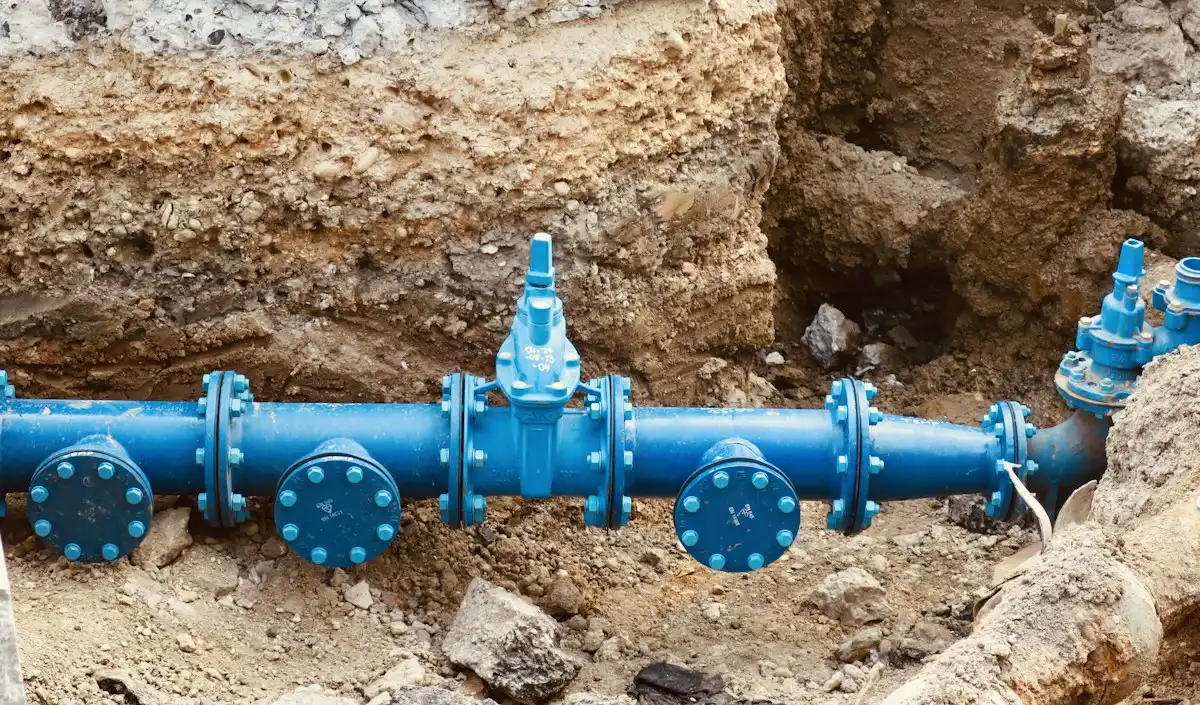
Pressurised water loosens the soil and a vacuum removes it, giving controlled excavation around existing infrastructure. It suits jobs where you know services are nearby but you do not want to take chances with a bucket.
Holes can be opened to the size and depth the job needs, then left clean for the next trade to take over.
Commonly used for
02
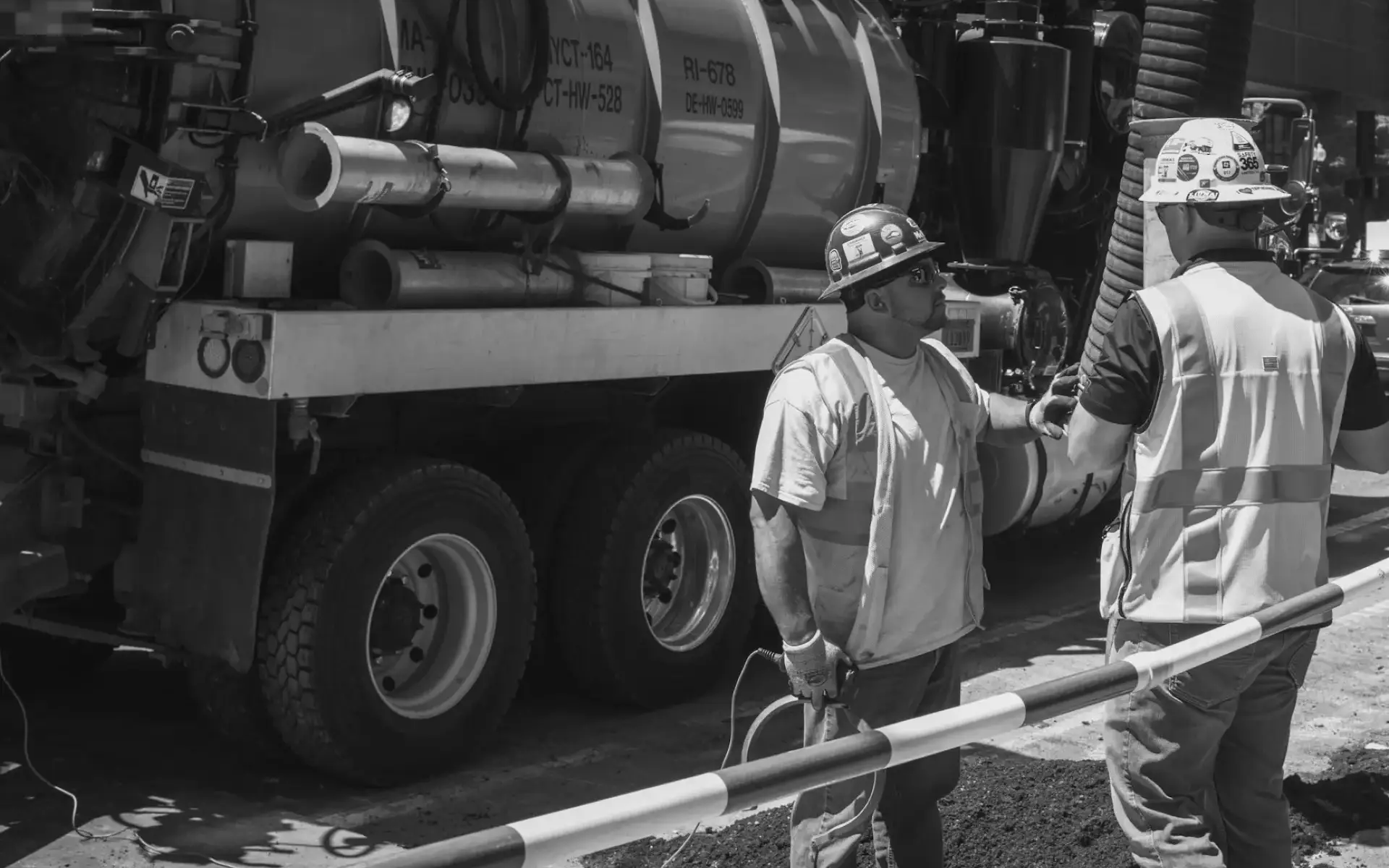
Targeted inspection holes expose underground pipes, cables and conduits so their position and depth can be confirmed before work begins. It takes the guesswork out of where a service actually sits compared with the plans.
Potholing is often done ahead of boring, trenching or footings, so the crew doing the main job knows exactly what they are working around.
Commonly used for
03
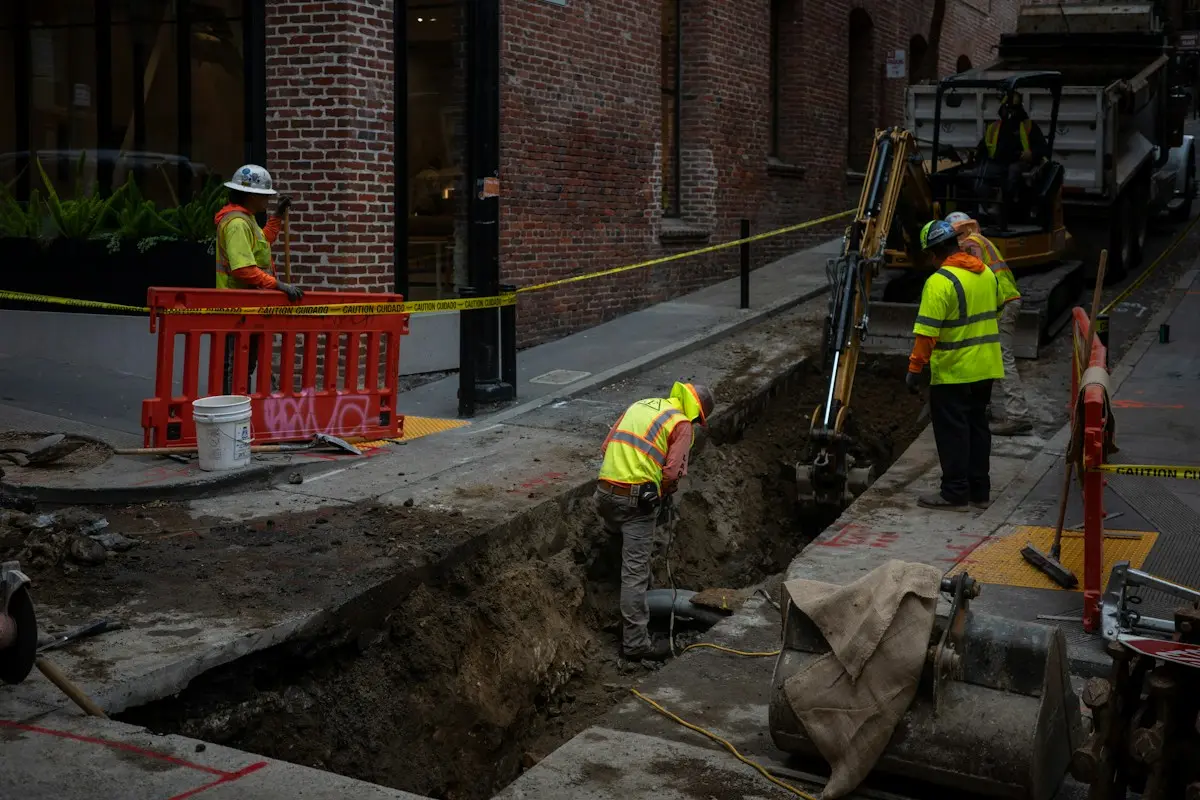
Narrow trenches and access holes for plumbers, electricians and civil crews working around existing underground services. The trench is opened with water and vacuum, so services that cross the line of the trench can be worked around rather than through.
It is a good fit where access is tight, the ground is congested, or a repair needs to be reached without opening up more than necessary.
Commonly used for

04
Urgent call-outs, including exposing burst water mains and buried pipes so repair crews can get to them. Hydro excavation lets the leak be uncovered carefully, even when the ground is saturated and other services are close by.
After-hours call-outs are available on request. Call Darren to confirm availability before planning around it.
Commonly used for
After hours
Call Darren to check availability for after-hours hydro excavation.
After-hours work is subject to availability.
Who it suits
Anyone who needs to dig where services might be in the way.
Repair access to leaking pipes and connections without damaging what is around them.
Potholing to confirm cable and conduit locations before trenching or boring.
Service exposure and clash checks on roadworks, subdivisions and civil projects.
Locating services before footings, slabs and site works begin.
Finding a leaking pipe or digging near services in the yard without guesswork.
Quote checklist
The more Darren knows up front, the quicker and more accurate the quote. If you have it, include:
Before any excavation work, it is good practice to lodge an enquiry with Before You Dig Australia (BYDA). It is a free service that sends you plans from the asset owners who have infrastructure in the area.
Plans are a guide only and services are not always where they are drawn, which is exactly why exposing them carefully before you dig matters.
Related services
Once the digging is done and the ground is backfilled, the same operator can come back and get it covered.
Reseeding and mulching backfilled trenches, service corridors and disturbed ground once the finished surface is ready.
Spray-applied fibre mulch to protect prepared soil, with or without seed.
FAQ
Common questions about how hydro excavation works and when to use it.
A high-pressure water lance breaks up the soil, and a large vacuum hose lifts the loosened material into a sealed tank on the truck. The hole is opened gradually, so the operator can see services as they are uncovered.
Around underground services it is generally lower risk, because there is no bucket or blade that can catch a pipe or cable. It does not remove the need for care, BYDA plans or a proper locate, but it is a far more controlled way to expose what is in the ground.
Lodging a BYDA enquiry before excavation is strongly recommended and is free. The plans you receive help everyone understand what may be in the ground. Darren can talk you through how they fit into the job.
The soil and water are vacuumed into a holding tank on the truck instead of being piled beside the hole. How the spoil is dealt with afterwards can be discussed when you get your quote.
After-hours call-outs are available on request for urgent jobs such as exposing a burst water main. It depends on availability, so call Darren on 0411 635 637 to confirm.